

Why This Trip?
Most people come to Morocco for the medinas and the desert. Fair enough. But there’s another Morocco — one that smells of olive oil pressing and woodsmoke, where the wine is unexpectedly good and the tagines have been simmering since breakfast. This twelve-day journey is for travelers who want to understand the country through its table and its vineyards, not just its monuments. Meknes, the quiet imperial city, and the Boulaouane hills south of Casablanca hold some of Morocco’s most storied wine and food traditions, yet few visitors ever taste them. I still remember kneeling on a cold stone floor in the Saïss plain, helping a farmer press olives while his wife laughed at my technique. That afternoon taught me more about Morocco than any museum. We solve the problem of the rushed itinerary by slowing down. You will knead bread in a village oven, sip vins gris at a vineyard that predates independence, and eat tagines that have simmered for hours. This is a transformative, multi-zone immersion into Morocco wine gastronomy over 12 days, designed for people who travel with their palate.
About Meknes
Meknes became an imperial capital under Sultan Moulay Ismail in the late seventeenth century, and his monumental ambitions still define the city. He built the vast Heri es-Souani granaries and stables, the Bab Mansour gate — widely considered one of the finest in North Africa — and miles of thick ramparts that earned Meknes the nickname “the Moroccan Versailles.” Unlike bustling Fes or Marrakech, Meknes moves at a gentler pace. I once spent an entire afternoon in Place El Hedim just watching the evening unfold — vendors lighting their grills, kids chasing each other past the gate, old men nursing glasses of mint tea. The medina is compact and walkable, and the UNESCO-listed historic core rewards aimless wandering. The surrounding Saïss plain is Morocco’s agricultural heartland, producing olives, citrus, and cereals, while the nearby Roman ruins of Volubilis and the holy town of Moulay Idriss Zerhoun sit within easy reach. This fertile landscape underpins the region’s emerging food and wine culture, making Meknes an ideal base for a gastronomic journey rooted in real Moroccan terroir.
Your 12 days Itinerary
Day 1 — Arrival in Meknes. Settle into your riad, then an evening stroll through Place El Hedim and a first tagine dinner near Bab Mansour.
Day 2 — Imperial Meknes. Morning guided walk through the medina and souks; afternoon at Heri es-Souani and the granaries; sunset at Bab Mansour.
Day 3 — Volubilis & Moulay Idriss. Roman mosaics and olive groves at Volubilis, then a home-cooked lunch in Moulay Idriss Zerhoun with a local family.
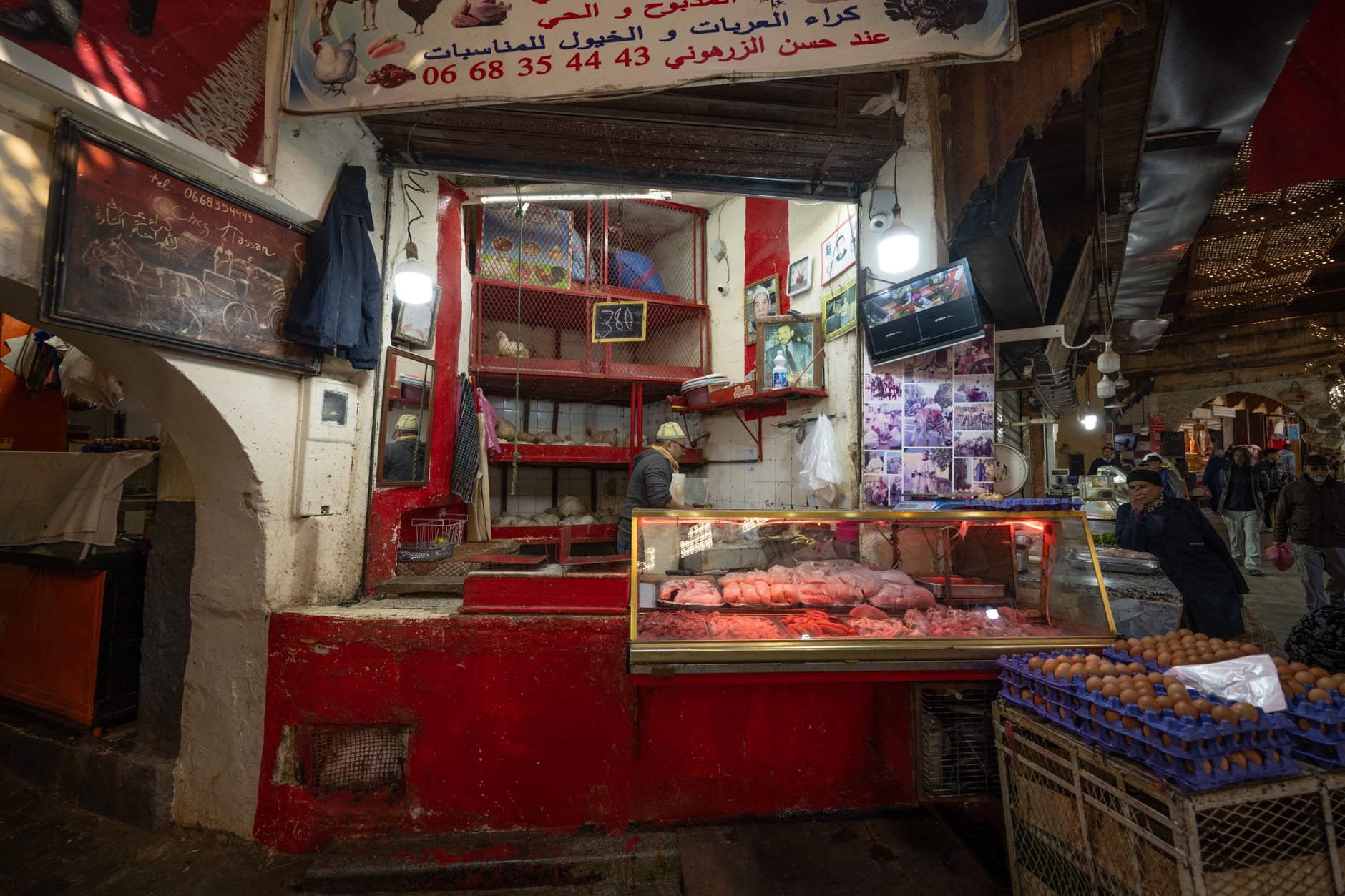
Day 4 — Saïss food day. Visit a working olive press and a rural weekly souk; afternoon cooking class making rfissa and preserved lemons.
Day 5 — Meknes to the coast. Drive west toward Boulaouane via Khemisset; check into a countryside guesthouse among the vines.
Day 6 — Boulaouane wine country. Tour a historic vineyard and cellar, taste vins gris and reds, and picnic among the rows.
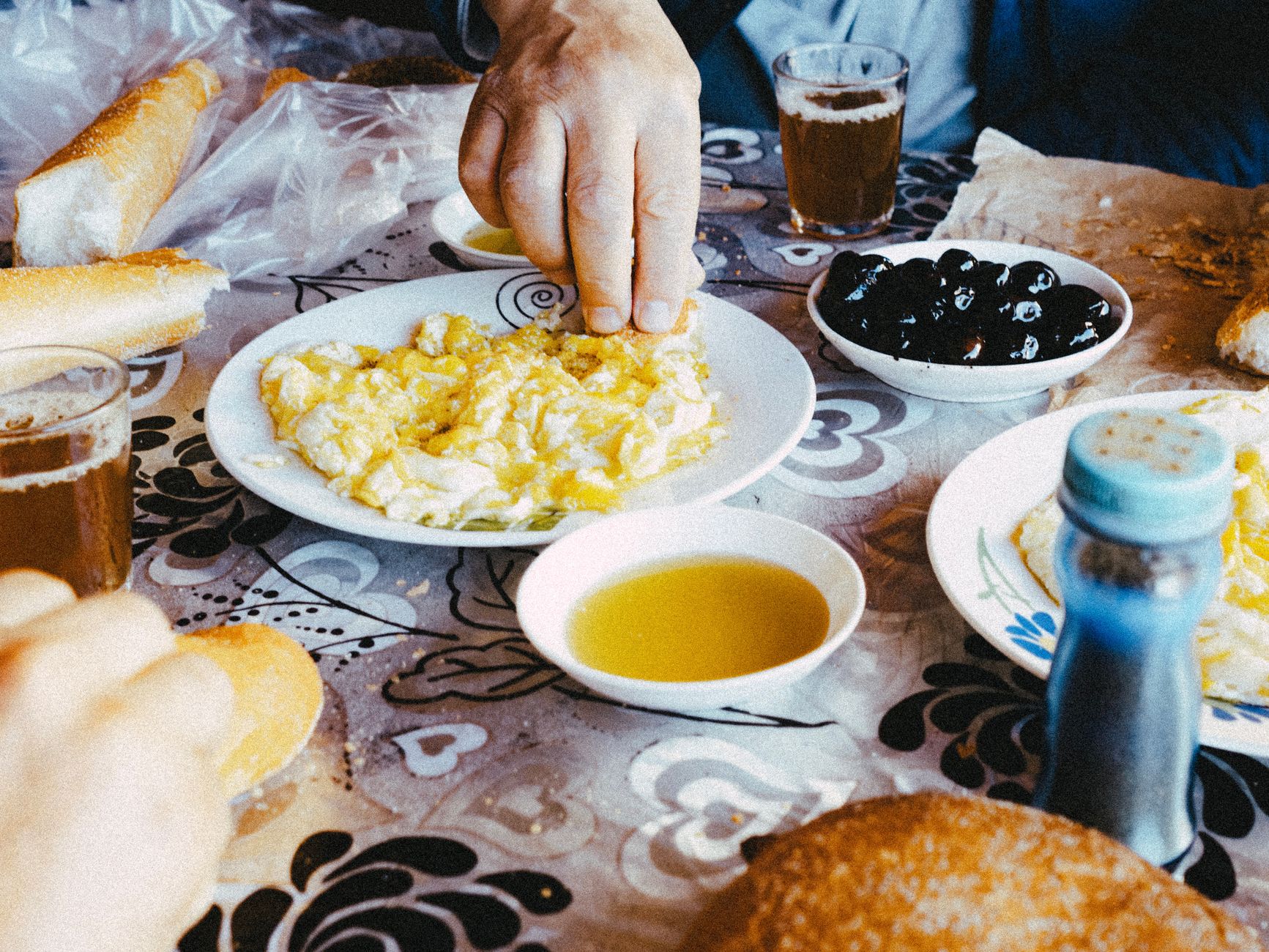
Day 7 — Ouled Gnaou & terroir. Meet small growers, learn about the Atlantic-influenced climate, and share a farm lunch of grilled lamb and seasonal vegetables.
Day 8 — Coastal flavors. Day trip to El Jadida’s Portuguese cistern and fish market; seafood lunch by the harbor.
Day 9 — Casablanca food trail. Explore the old medina and Marché Central, tasting oysters, olives, and pastries; optional fine-dining dinner.
Days 10-11 — Slow return to Meknes. Unhurried drive back with stops at a cooperative argan or honey producer; final market shopping and a farewell feast of mechoui.
Day 12 — Departure. Morning mint tea and transfer to Fes or Casablanca airport.
Where to Stay
Accommodation ranges from restored riads in Meknes to rural guesthouses and vineyard-adjacent stays near Boulaouane. Prices vary by season, so treat the figures below as honest starting ranges.
| Option | Area | Vibe | Price per night (MAD & EUR) |
|---|---|---|---|
| Traditional riad | Meknes medina | Historic, courtyard, walkable | from 400-800 MAD (~EUR 35-70) |
| Country guesthouse | Boulaouane hills | Quiet, vineyard views, home cooking | from 500-900 MAD (~EUR 45-80) |
| Boutique hotel | Casablanca | Urban, design-led, central | from 700-1,400 MAD (~EUR 65-125) |
| Farm stay | Saïss plain | Rustic, agricultural, immersive | from 350-700 MAD (~EUR 30-65) |
Getting There & Around
Meknes sits on Morocco’s main rail and road arteries, making arrival easy from most cities. The ONCF trains are comfortable and punctual — I’ve taken the Casablanca route more times than I can count, and it’s always a pleasant ride through the countryside. For wine-country detours, though, you’ll want a hired car or private driver. Trust me on this one: trying to reach Boulaouane by grand taxi is an adventure you don’t need.
| Route | Best option | Duration | Approx cost (MAD) |
|---|---|---|---|
| Casablanca to Meknes | Train (ONCF) | 3h 30m | 120-180 |
| Fes to Meknes | Train or grand taxi | 40-60m | 40-100 |
| Meknes to Boulaouane | Private car / hired driver | 3h | 700-1,000 |
| Local day trips | Grand taxi or rental car | Varies | 300-600 per day |
Budget Estimate
Here’s the honest truth: Morocco can be as cheap or as expensive as you make it. The figures below assume mid-range choices with some splurges on wine tastings and guided meals. If you’re traveling as a couple, you’ll save significantly on accommodation and transport. Solo travelers pay a bit more, but don’t let that stop you — I’ve done this route alone and never felt isolated. Costs drop notably outside peak spring and autumn, so if you can swing a late-October or February trip, your wallet will thank you.
| Item | Solo (MAD / EUR) | Couple per person (MAD / EUR) |
|---|---|---|
| Accommodation | 4,800-9,600 / 440-880 | 3,600-7,200 / 330-660 |
| Food & drink | 2,400-4,200 / 220-385 | 2,000-3,600 / 185-330 |
| Getting around | 2,000-3,500 / 185-320 | 1,200-2,200 / 110-200 |
| Activities & tours | 1,800-3,000 / 165-275 | 1,600-2,800 / 145-255 |
| Total | 11,000-20,300 / 1,010-1,860 | 8,400-15,800 / 770-1,450 |
Book Your Stay on MoroccanChapter
From candlelit riads in Meknes to vineyard-side guesthouses in the Boulaouane hills, the right base transforms this journey from a tour into a lived experience. I’ve learned that where you sleep shapes how you travel — a courtyard riad in the medina puts you inside the city’s rhythm, while a farm stay on the Saïss plain slows everything down to the pace of the seasons. MoroccanChapter handpicks stays that reflect the character of each region, so your mornings begin with fresh msemen and your evenings end with a glass of local vin gris. Whether you travel solo or as a couple, book your accommodation through moroccanchapter.com and let the table of Morocco set the rhythm of your twelve days. Your seat is waiting.