

Why This Trip?
I still remember the moment Darija clicked for me. I was three days into my first trip to Fes, standing in a narrow alley off Talaa Kebira, and a boy selling bread called out something I actually understood. I answered. His face split into a grin. That’s the thing about this language — it hands you the city. This 12-day immersion is built for travellers who want more than photographs, who are tired of nodding politely through conversations they can’t follow. Over nearly two weeks you’ll drink mint tea with families in Fes, haggle in the souk using phrases that actually work, and slip into Rabat’s calmer administrative rhythm. The transformation is quiet but total. By day twelve, Morocco answers you back.
About Fes
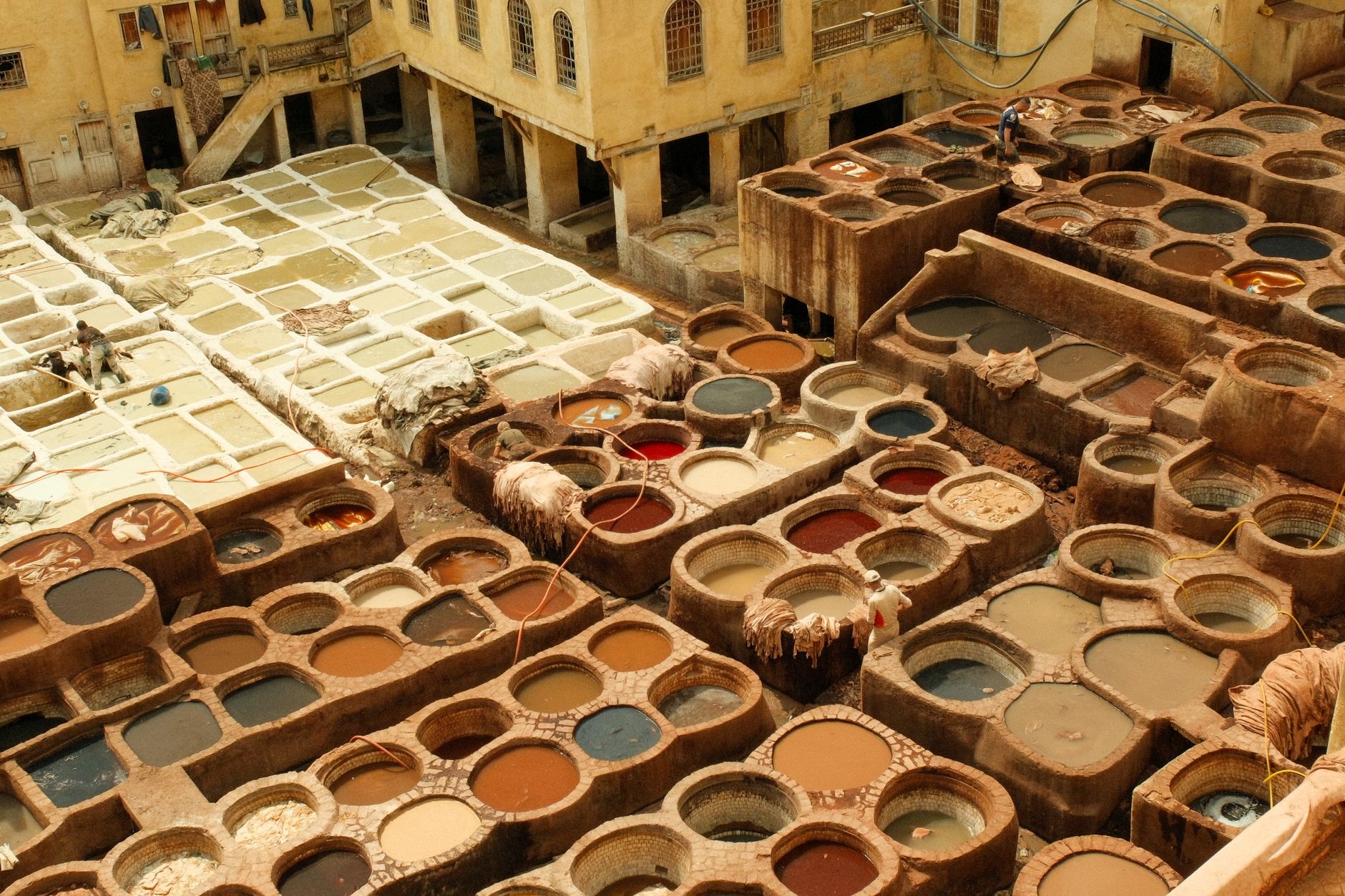
Fes gets under your skin. Founded in 789 AD by Idris I and later expanded by his son Idris II, it’s Morocco’s spiritual and intellectual capital — and walking into Fes el-Bali feels like stepping into a living medieval manuscript. The medina is one of the largest car-free urban areas on earth, a UNESCO World Heritage site since 1981, and home to roughly 9,000 alleys that all seem to fold into each other. Somewhere in that labyrinth sits the University of al-Qarawiyyin, founded in 859 AD by Fatima al-Fihri and widely cited as the world’s oldest continuously operating university. The craft guilds still run the show here: tanners, brass beaters, zellij tile cutters. And the Darija? Fassi speech has its own music — a little Andalusian around the edges, full of phrases you won’t hear in Casablanca. Learning here means learning among artisans and students whose daily conversation is the classroom.
Your 12 days Itinerary
Days 1-3: Fes arrival and foundations. Land in Fes, drop your bags at a medina riad, and let the call to prayer be your alarm clock. Morning Darija class with a local teacher covers greetings and market vocabulary. Afternoon walk through Bab Boujloud to practise introductions with shopkeepers — most of them will correct you cheerfully.
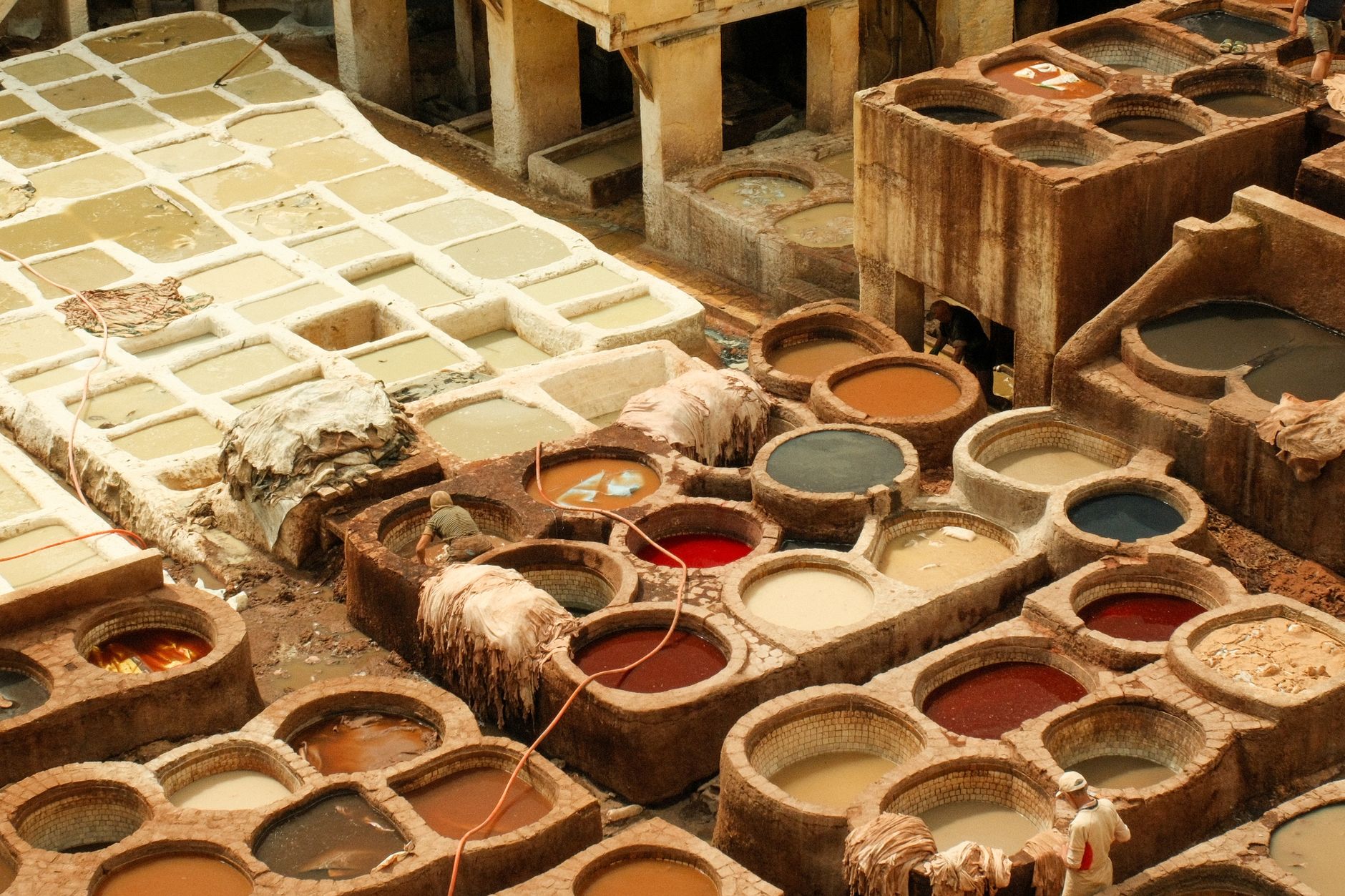
Days 4-5: Fes deep immersion. Visit the Chouara tannery and Al-Attarine Madrasa, using numbers and colours in real bargaining. The smell of cumin and cedar in the souk becomes your vocabulary list. Evening cooking session where you name every ingredient in Darija — and eat your homework.
Days 6-7: Fes to Rabat by train. Morning train from Fes to Rabat, about
four hours of watching olive groves blur past. Check into Agdal or medina lodging. First Rabat class covers travel and directions. Sunset walk on the Oudayas Kasbah ramparts, where the river meets the Atlantic.
Days 8-9: Rabat language and culture. Morning lessons at a language centre near Hassan Tower. Afternoon visit to the Mausoleum of Mohammed V and the Chellah necropolis, describing architecture in Arabic — “the columns are old” sounds much better in Darija.
Days 10-11: Rabat daily life. Shop at the medina for produce, practising quantities and prices. Join a calligraphy or tea-pouring workshop conducted in Darija. Evening conversation circle with local students who will absolutely ask you about your hometown.
Day 12: Review and departure. Final morning class reviewing your notebook — you’ll be surprised how much is in there. Farewell lunch at a family-run restaurant near the Atlantic. Transfer to Rabat-Ville station or the airport.
Where to Stay
Accommodation in both cities ranges from hostel dorms to restored riads. Staying inside the medina puts you in earshot of Darija all day; staying in the ville nouvelle is quieter and easier for transport.
| Option | Area | Vibe | Price per night |
|---|---|---|---|
| Budget hostel | Fes medina edge | Social, backpacker, shared kitchen | from 120-250 MAD (~EUR 11-23) |
| Traditional riad | Fes el-Bali | Courtyard, quiet, language-friendly hosts | from 400-800 MAD (~EUR 35-70) |
| Mid-range hotel | Rabat Agdal | Modern, near tram, easy for classes | from 500-900 MAD (~EUR 45-80) |
| Guesthouse | Rabat medina | Family-run, rooftop tea, market access | from 350-700 MAD (~EUR 32-62) |
Getting There & Around
Morocco’s rail and road networks make the Fes–Rabat leg simple. Trains are clean and punctual; grand taxis and petit taxis fill the gaps in town. Buy train tickets at the station or via ONCF.
| Route | Best option | Duration | Approx cost (MAD) |
|---|---|---|---|
| Casablanca Airport to Fes | Train via Casa-Voyageurs | 5-6 hrs | 200-350 |
| Fes to Rabat | ONCF train, 2nd class | 3.5-4 hrs | 120-180 |
| Rabat city centre | Petit taxi or tram | 10-25 min | 15-40 |
| Rabat to airport | Train to Rabat-Ville then shuttle | 1-1.5 hrs | 40-80 |
Budget Estimate
Here’s the honest version: you can do this trip on a shoestring, but the language classes are the one place I’d tell you not to cut corners. Figures below are per person and assume you join group or private classes daily. Costs drop if you share rooms and cook occasionally — and cooking in a riad kitchen is its own kind of lesson. Prices are indicative for 2025 and vary by season.
| Item | Solo (MAD / EUR) | Couple per person (MAD / EUR) |
|---|---|---|
| Accommodation | 4,800-9,600 / 440-880 | 3,600-7,200 / 330-660 |
| Food & drink | 2,400-4,200 / 220-385 | 2,100-3,600 / 190-330 |
| Getting around | 1,200-2,000 / 110-185 | 1,000-1,700 / 90-155 |
| Activities & tours | 2,500-5,000 / 230-460 | 2,200-4,400 / 200-400 |
| Total | 10,900-20,800 / 1,000-1,910 | 8,900-16,900 / 810-1,550 |
Book Your Stay on MoroccanChapter
When your notebook is full and your tongue finally curls around that difficult “ḥ”, you’ll want a base that feels like home. MoroccanChapter.com curates riads, guesthouses, and family stays in Fes and Rabat chosen for their warmth and their willingness to chat. Booking through the site keeps your immersion going from the moment you drop your bag. Whether you’re travelling solo or with a partner, reserve your room now and let the language journey begin the moment you step through the door.