

Why This Trip?
I still remember my first evening in Figuig. The call to prayer had faded, the palms had gone black against an orange sky, and I lowered myself into water that had travelled warm from deep beneath the Sahara. That is the feeling this five-day oasis escape is built around. Slow mornings. Cool palm shade. Evenings that smell of dust and mint tea. It suits couples, solo explorers and small groups who would rather go deep than go far. Instead of racing between sights, you decompress across the Figuig and Tafilalt zones, letting the desert set the pace and the springs do the healing.
About Figuig
Figuig sits in Morocco’s far east, pressed against the Algerian border at the edge of the Sahara. The name comes from the Tamazight word for a spring, and that is no accident: this is a chain of palm groves fed by water that has sustained ksour — fortified earthen villages — for centuries. Figuig once anchored the trans-Saharan and east-west caravan routes, and local families still maintain the elaborate irrigation systems that divide water fairly among the gardens. The architecture stops you in your tracks: tall mud-brick walls, watchtowers, and a date-palm canopy so dense the ground stays cool even in July. Most people here are Amazigh, with a deep tradition of crafts, poetry and communal land management. The border position has kept Figuig remote and self-contained for generations — which is precisely why it rewards the traveller who makes the effort to arrive.
One practical detail worth knowing: Figuig’s seven historic ksour each have their own character, and the small zaouia and palm-garden circuit around Zenaga and El Oudaghir is best walked early, before the heat builds. Carry small notes for garden guardians who offer tea, and remember that the springs are shared community spaces — modest swimwear and a quiet manner go a long way.
A useful logistics note for planning: the shared grand taxis from Oujda usually leave once six seats are filled, so aim to reach the taxi stand by mid-morning rather than late afternoon, when departures thin out. If you prefer a fixed timetable, the CTM bus runs the Oujda–Figuig corridor and can be booked online a day or two ahead for roughly 90–120 MAD, which removes the waiting game entirely.
Your 5 days Itinerary
Day 1 — Arrival and first soak. Settle into your guesthouse in Figuig, then wander the palm groves in the late afternoon and take a first, gentle dip in a local hot spring as the light turns gold.
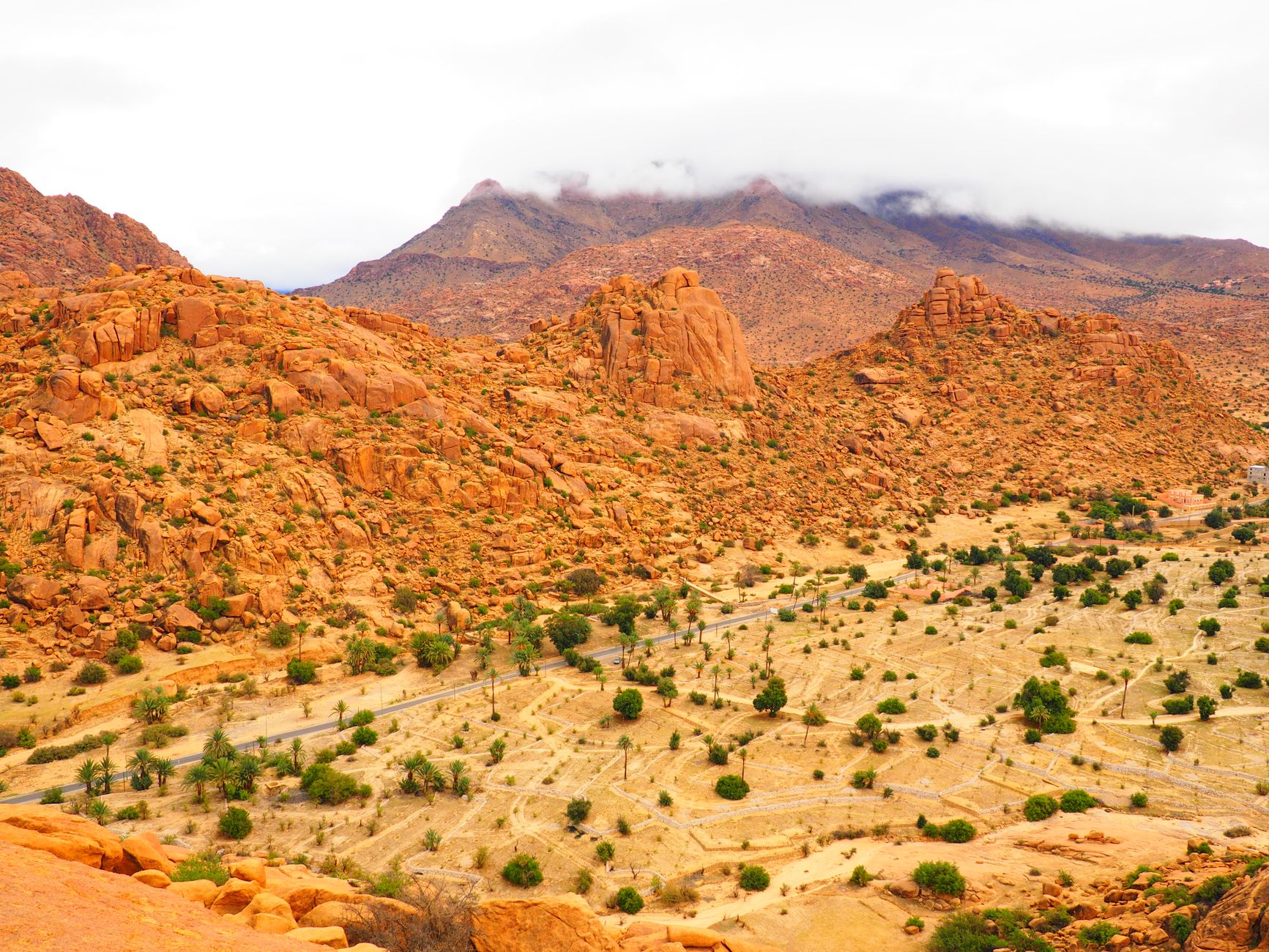
Day 2 — Ksour and gardens. Walk the old ksour of Figuig in the morning, then spend the afternoon in the shade of the gardens with a local guide who explains the traditional water-sharing system. Ask questions. The details are fascinating.
Day 3 — Transfer to Tafilalt. Drive west along the desert edge toward the Tafilalt oasis, stopping at a palm-fringed viewpoint for tea; arrive in time for an evening walk and another warm spring soak.
Day 4 — Rissani and the palms. Visit the market town of Rissani in the morning — the smell of cumin in the souk there is something I can still conjure up years later — then spend the afternoon drifting through the Tafilalt date groves and enjoying a final hot spring before sunset.
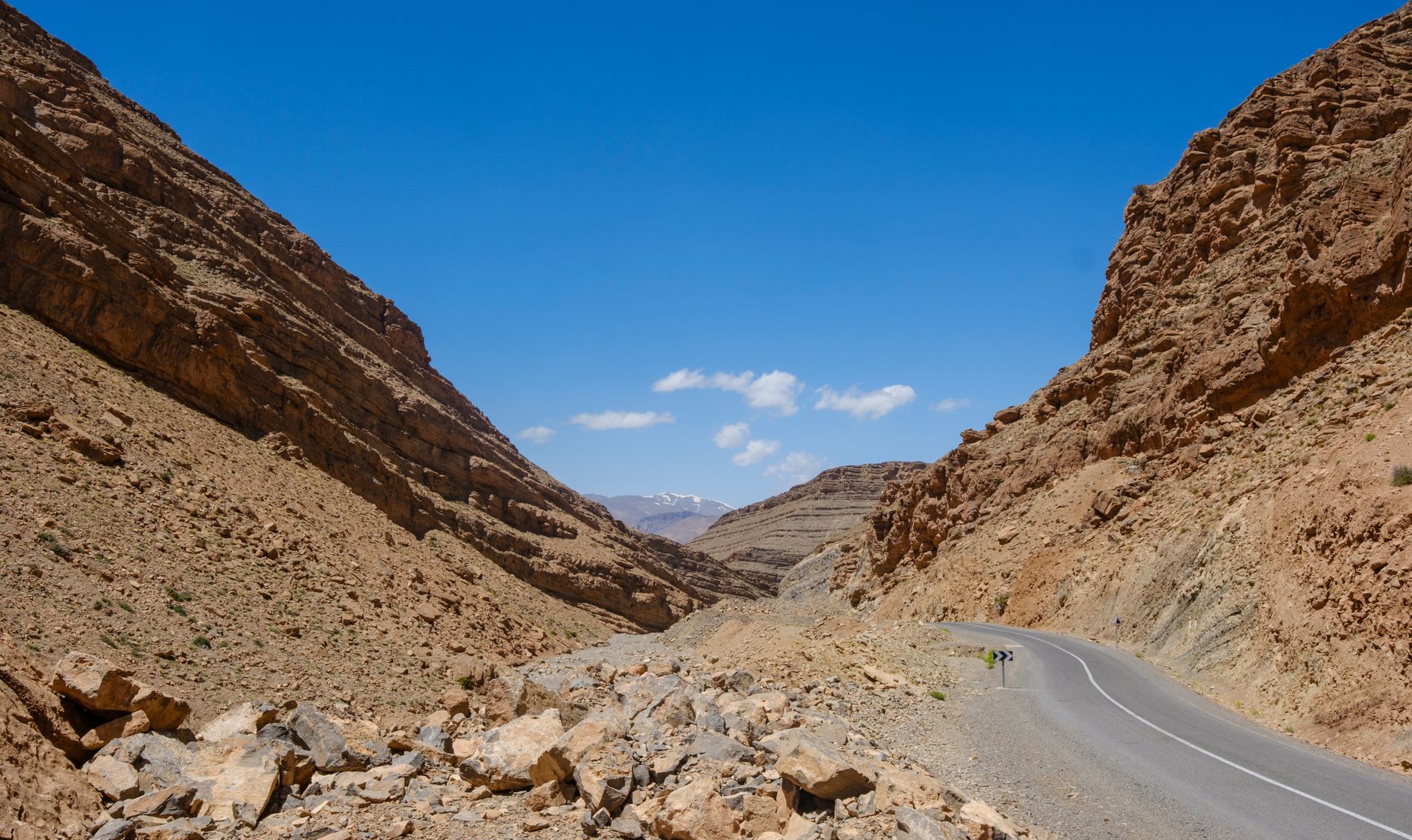
Day 5 — Slow morning and departure. Take a last early soak, buy dates and local crafts, then set off for your onward journey refreshed rather than rushed.
Where to Stay
Accommodation out here is mostly small guesthouses and family-run maisons d’hôtes rather than big hotels, so book ahead in high season. Expect warm, simple hospitality over polished luxury — and honestly, that is the point.
| Option | Area | Vibe | Price per night |
|---|---|---|---|
| Palm-grove guesthouse | Figuig oasis | Quiet, family-run, garden setting | from 400-800 MAD (~EUR 35-70) |
| Traditional ksar maison d’hôtes | Old Figuig | Historic earthen walls, authentic | from 300-600 MAD (~EUR 26-53) |
| Oasis riad-style stay | Tafilalt palm groves | Comfortable, palm-shaded courtyard | from 500-900 MAD (~EUR 44-79) |
| Simple local inn | Rissani | Practical, central, budget-friendly | from 250-500 MAD (~EUR 22-44) |
Getting There & Around
Figuig is genuinely remote, so most travellers arrive by road from a major city in a shared or private vehicle. Once you are in the oasis, your feet and the occasional short drive cover almost everything.
| Route | Best option | Duration | Approx cost (MAD) |
|---|---|---|---|
| Oujda to Figuig | Shared grand taxi or bus | 4-5 hours | 80-150 per person |
| Fes to Figuig | Private car or long-distance bus | 8-9 hours | 200-350 per person |
| Figuig to Tafilalt (Rissani area) | Private car with driver | 4-5 hours | 600-900 per vehicle |
| Around the oasis | Walking and local taxis | Short hops | 20-60 per trip |
Budget Estimate
Here is the honest version, friend to friend. You can do this route comfortably without bleeding your savings — the desert is generous that way. These figures are per person and assume you share costs where it makes sense. If you want more flexibility, upgrade the transport first; that is where the extra money buys you the most freedom.
| Item | Solo (MAD / EUR) | Couple per person (MAD / EUR) |
|---|---|---|
| Accommodation | 1,500-2,500 / ~130-220 | 1,000-1,800 / ~90-160 |
| Food & drink | 600-1,000 / ~50-90 | 500-900 / ~44-79 |
| Getting around | 800-1,400 / ~70-125 | 500-900 / ~44-79 |
| Activities & tours | 400-800 / ~35-70 | 400-800 / ~35-70 |
| Total | 3,300-5,700 / ~290-500 | 2,400-4,400 / ~210-390 |
Book Your Stay on MoroccanChapter
When you are ready to trade the rush for palm shade and warm water, let us help you find the right base for this journey. MoroccanChapter hand-picks guesthouses and local stays across the oases, so you arrive to a real welcome rather than a booking confirmation. Browse the listings, compare the areas, and reserve your spot at moroccanchapter.com — then pack light and let the desert springs do the rest.