

Why This Trip?
This is for travellers who want to feel Morocco, not just photograph it. I still remember standing in a Marrakech alley at midnight, the crack of a bendir drum bouncing off the walls, wondering what it all meant. This weekend answers that question. Two days, two cities, one thread: the trance rhythms of Gnawa and the street-sweat energy of chaabi. You will dance badly. You will learn a clapping pattern you cannot forget. And you will understand why these sounds matter to the people who make them. No filler, no tourist traps, just the essentials of a living movement.
About Essaouira
Essaouira sits on the Atlantic coast, roughly 190 km west of Marrakech, inside 18th-century Portuguese-style ramparts that still frame the harbour. The Almohads held a port here, but the city you walk today was largely rebuilt under Sultan Mohammed III in the 1760s as a fortified trade hub, once home to a large Jewish merchant community whose memory lingers in the mellah. Its medina is a UNESCO World Heritage Site, and the trade winds that make it a kitesurfing capital also carried something else: the Gnawa.
Gnawa music traces to sub-Saharan Africans brought to Morocco through the trans-Saharan slave trade, who wove their spiritual songs into a distinct Moroccan tradition of healing ceremonies called lila. Essaouira became a heartland for the music, and since 1998 the Gnaoua World Music Festival has drawn thousands each June. But Gnawa lives here year-round. I once sat near Bab Marrakech at dusk, the smell of grilled sardines drifting from the port, as a circle of men passed around a guembri and let that deep, hypnotic bass roll through the crowd. The metal castanets called qraqeb clicked like rain on stone. Chaabi, the popular urban folk of Casablanca and Marrakech, borrows from Gnawa phrasing too, which is why this coast-to-medina pairing makes sense for a weekend focused on dance and drums.
One practical detail worth knowing: the Association Essaouira Mogador and local maalems run tagnawit circles most evenings, but they are not always advertised online. Ask at your guesthouse or at the tourist office on Avenue Mohammed Zerktouni the day you arrive; a two-hour percussion session with a working maalem typically costs 150-250 MAD per person, and some will lend you a qraqeb set if you turn up empty-handed.
Your 2 days Itinerary
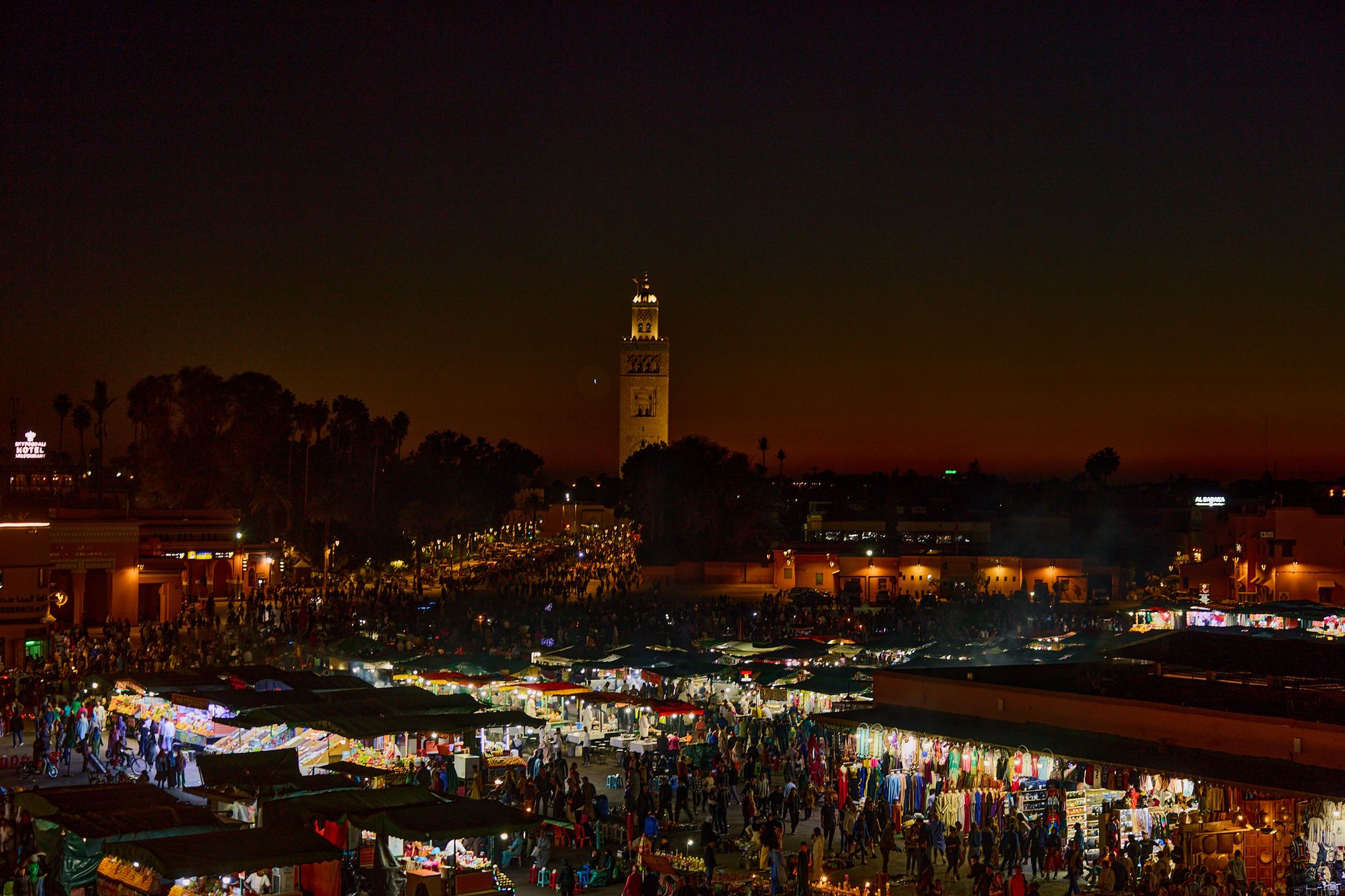
Day 1 — Marrakech. Arrive by early afternoon and head to Jemaa el-Fnaa, where Gnawa musicians set up on the square
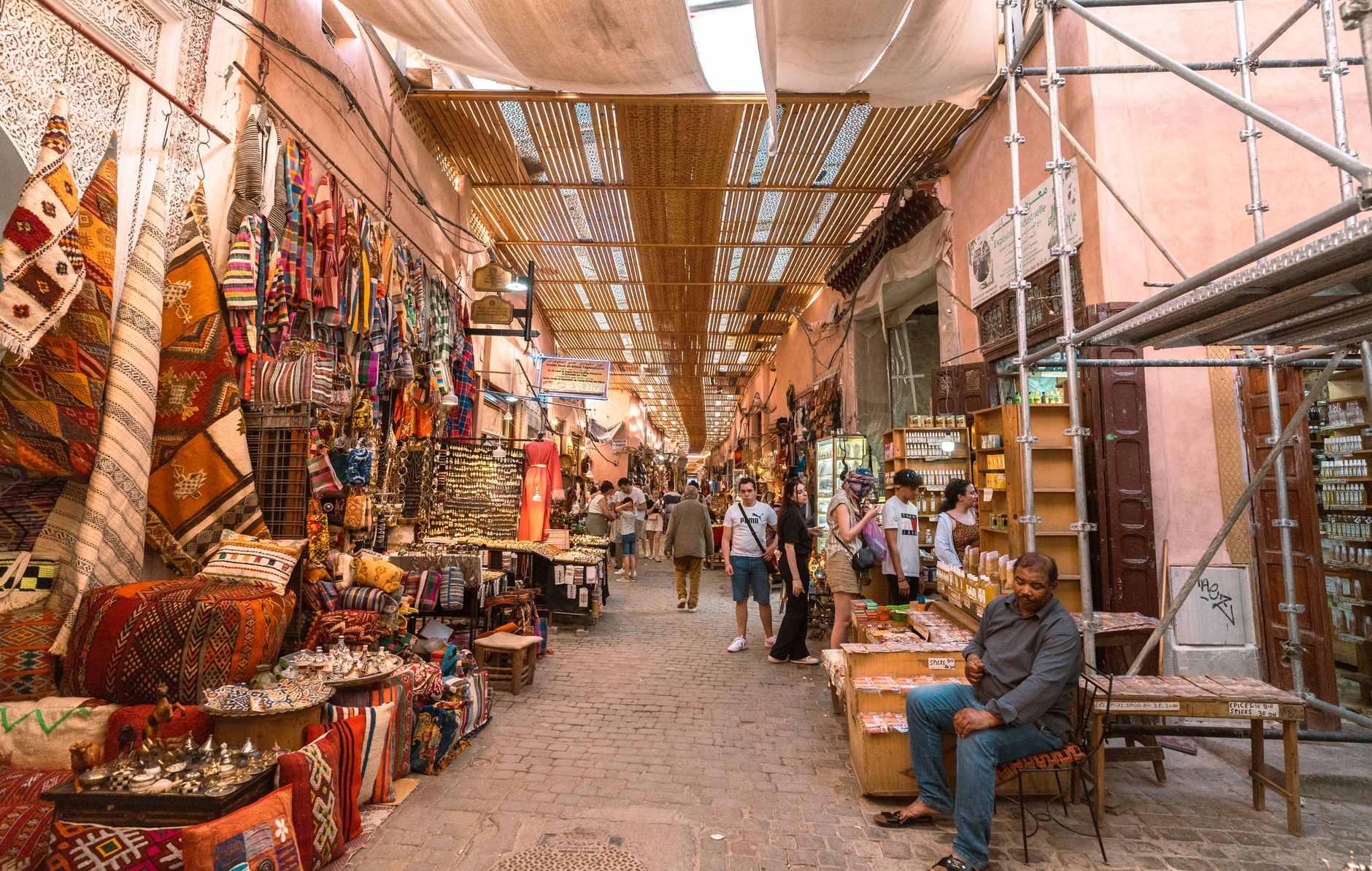
as the light drops. Listen for the guembri. Then move to a small riad courtyard session or a medina music venue for a chaabi set. Timing: 16:00 square, 20:00 dinner near Riad Zitoun, 22:00 live music.
Day 2 — Essaouira. Take the morning bus or shared grand taxi west (about 2.5 hours). By midday, walk the ramparts and the fishing port. I watched the sun melt into the dunes just south of town once, the call to prayer drifting over the water, and I still think about it. Find a Gnawa percussion workshop or an afternoon tagnawit circle in the medina. Close the day with qraqeb clapping on the beach as the sun sets. Timing: 08:00 depart, 11:30 medina, 15:00 workshop, 18:30 beach.
If you have a third day, stay in Essaouira and repeat the evening rhythm — nothing essential changes, and the second night is when the patterns start to stick.
Where to Stay
Prices swing hard with season and whether you book direct. These ranges are honest starting points, not fixed quotes.
| Option | Area | Vibe | Price per night |
|---|---|---|---|
| Budget riad | Marrakech medina, near Jemaa el-Fnaa | Simple courtyard, walk to music | from 400-800 MAD (~EUR 35-70) |
| Mid-range riad | Marrakech, Riad Zitoun or Mouassine | Rooftop terrace, quiet nights | from 900-1600 MAD (~EUR 80-145) |
| Essaouira guesthouse | Essaouira medina, inside ramparts | Sea air, close to Gnawa venues | from 500-1100 MAD (~EUR 45-100) |
| Boutique stay | Essaouira, near Bab Marrakech | Design-led, rooftop sea views | from 1400-2600 MAD (~EUR 125-235) |
Getting There & Around
Marrakech is the gateway. From there, Essaouira is a straightforward run west, and once you are in either medina, walking beats everything.
| Route | Best option | Duration | Approx cost (MAD) |
|---|---|---|---|
| Casablanca to Marrakech | Train (ONCF) | 2h 30m-3h | 90-150 |
| Marrakech to Essaouira | Bus (CTM or Supratours) | 2h 30m-3h | 80-110 |
| Marrakech to Essaouira | Shared grand taxi | 2h 30m | 100-150 per seat |
| Within Marrakech medina | Walk / petit taxi | 5-20 min | 0-30 |
Budget Estimate
Here is the honest truth: you can do this trip on a shoestring or you can treat yourself, and neither version is wrong. The numbers below assume you are sensible about it. Per person, two days, excluding international flights. Couple rates assume a shared room and split taxis. If you are travelling solo, expect to pay a bit more for rooms — that is just how Morocco works.
| Item | Solo (MAD / EUR) | Couple per person (MAD / EUR) |
|---|---|---|
| Accommodation | 400-900 / ~35-80 | 350-750 / ~30-68 |
| Food & drink | 250-500 / ~22-45 | 220-450 / ~20-40 |
| Getting around | 200-400 / ~18-36 | 150-300 / ~14-27 |
| Activities & tours | 300-700 / ~27-63 | 300-700 / ~27-63 |
| Total | 1150-2500 / ~102-224 | 1020-2200 / ~91-197 |
Book Your Stay on MoroccanChapter
This weekend lives or dies on location. A riad five minutes from Jemaa el-Fnaa puts you inside the chaabi current; a guesthouse inside Essaouira’s ramparts means you can walk home from a Gnawa session at midnight with salt air still on your skin. MoroccanChapter hand-picks stays that match the rhythm of this trip, from budget courtyards to boutique rooftops with sea views. Skip the guesswork and the endless tabs. Head to moroccanchapter.com, choose your dates, and let the drums do the rest. Your moroccan dance chaabi experience weekend starts the moment you stop scrolling and start packing.